
10 Oct 2026 to 22 Aug 2027

From October 10 in Wereldmuseum Amsterdam. A vibrant tribute to disco. Move through hundreds of disco tracks, videos, artworks, fashion pieces and design objects, and experience disco’s unifying power for yourself.
The new exhibition DISCO is a vibrant tribute to this iconic musical movement. Emerging in Black, Latino and queer underground clubs, disco evolved in the 1970s into a powerful cultural phenomenon centred on freedom, inclusivity and self-expression.
Move through hundreds of disco tracks, videos, artworks, fashion pieces and design objects, and experience disco’s unifying power for yourself. Featuring works by Andy Warhol, Keith Haring, Kwame Brathwaite, Michael Abramson, Meryl Meisler and many others.
On view from 10 October 2026 to 22 August 2027.
This exhibition is adapted from the original exhibition created by the Musée de la Musique – Philharmonie de Paris, where it was presented from 14 February to 17 August 2025.
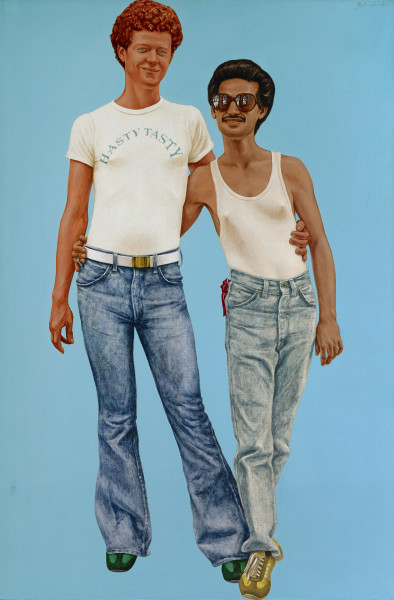
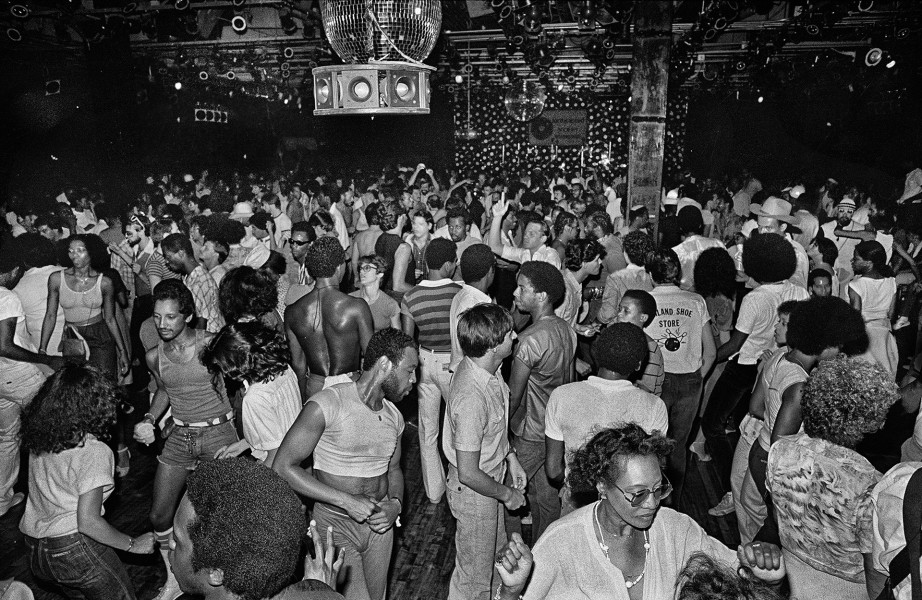
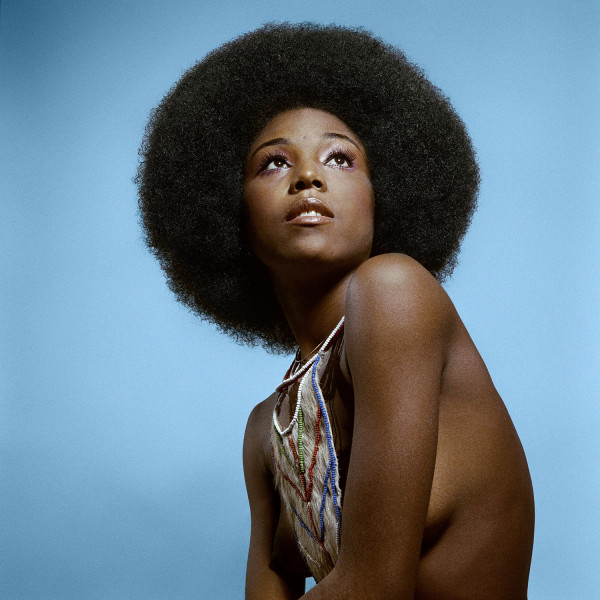
The exhibition explores how disco was intertwined with major social and cultural transformations. More than just a musical genre or nightlife phenomenon, disco played an important role in the emancipation of African American and Latin American communities, women, and queer and trans people. Clubs provided spaces where people could be seen, express themselves freely and support one another. On the dance floor, there was one simple rule: come to dance and be yourself.
Kwame Brathwaite’s Black Is Beautiful photographs celebrate pride and beauty, while portraits of performers reveal how disco fostered new forms of self-expression. Female artists, particularly African American singers, played a pivotal role in the movement. Their music, often centred on independence and self-confidence, resonated with feminist ideas and became deeply significant within LGBTQ+ communities.
Activist posters by Faith Ringgold connect disco to broader political struggles. Objects such as an early rainbow flag and historical footage demonstrate the important role discotheques played in the LGBTQ+ movement.
The exhibition traces the development of disco’s distinctive sound, from the steady four-on-the-floor beat to its rich use of strings, brass and synthesizers. On display are original pieces of equipment, including a MiniMoog synthesizer, a Roland drum machine and a guitar signed by Nile Rodgers. Visitors can also discover how the 12-inch single gave DJs greater creative freedom and made longer dance tracks possible. An interactive installation even allows you to create your own remix.
From the late 1970s onwards, disco spread across the globe. Europe developed its own electronic interpretation of the genre, while in the Netherlands disco gained popularity through television programmes such as Toppop and through the rise of discotheques. Posters, fashion and archival materials show how disco evolved into a major musical movement in the Netherlands and laid the groundwork for later dance music styles. The enduring influence of disco on contemporary pop music can be experienced through a playlist featured at the end of the exhibition.
Image from the exhibition in Philharmonie de Paris ©Joachim Bertrand