What is Hajj?

Hajj is the annual Islamic pilgrimage to Mecca and one of the Five Pillars of Islam. Every year, millions of pilgrims from around the world travel to Mecca to perform this sacred journey. Every Muslim who is physically and financially able is expected to undertake Hajj at least once in their lifetime.

For many Muslims, Hajj is a deeply spiritual experience. It is a time for reflection, seeking forgiveness, and strengthening their connection with God and with the global Muslim community.

On this page, you can learn more about the meaning and rituals of Hajj, the difference between Hajj and Umrah, and the unique significance of the holy city of Mecca.

A religious experience

Many believers undertake pilgrimages to seek blessings or spiritual purification, to gain a deeper understanding of themselves, or to connect with important religious events, sacred places, history, and their faith community. Pilgrimage sites serve as meeting places where people from different cultures and religious backgrounds come together. Through religion, people can find meaning and purpose in life. Whether through the silence of meditation or the movement of processions and pilgrimages, believers express their devotion.

Mecca is closely associated with two of the Five Pillars of Islam, the five fundamental acts of worship: the daily prayers, which are performed facing Mecca, and the pilgrimage (Hajj). The other three pillars are the declaration of faith (Shahada), fasting during the month of Ramadan, and giving alms (Zakat).

Many pilgrims combine their Hajj to Mecca with a visit to Medina, where the Prophet Muhammad is buried.
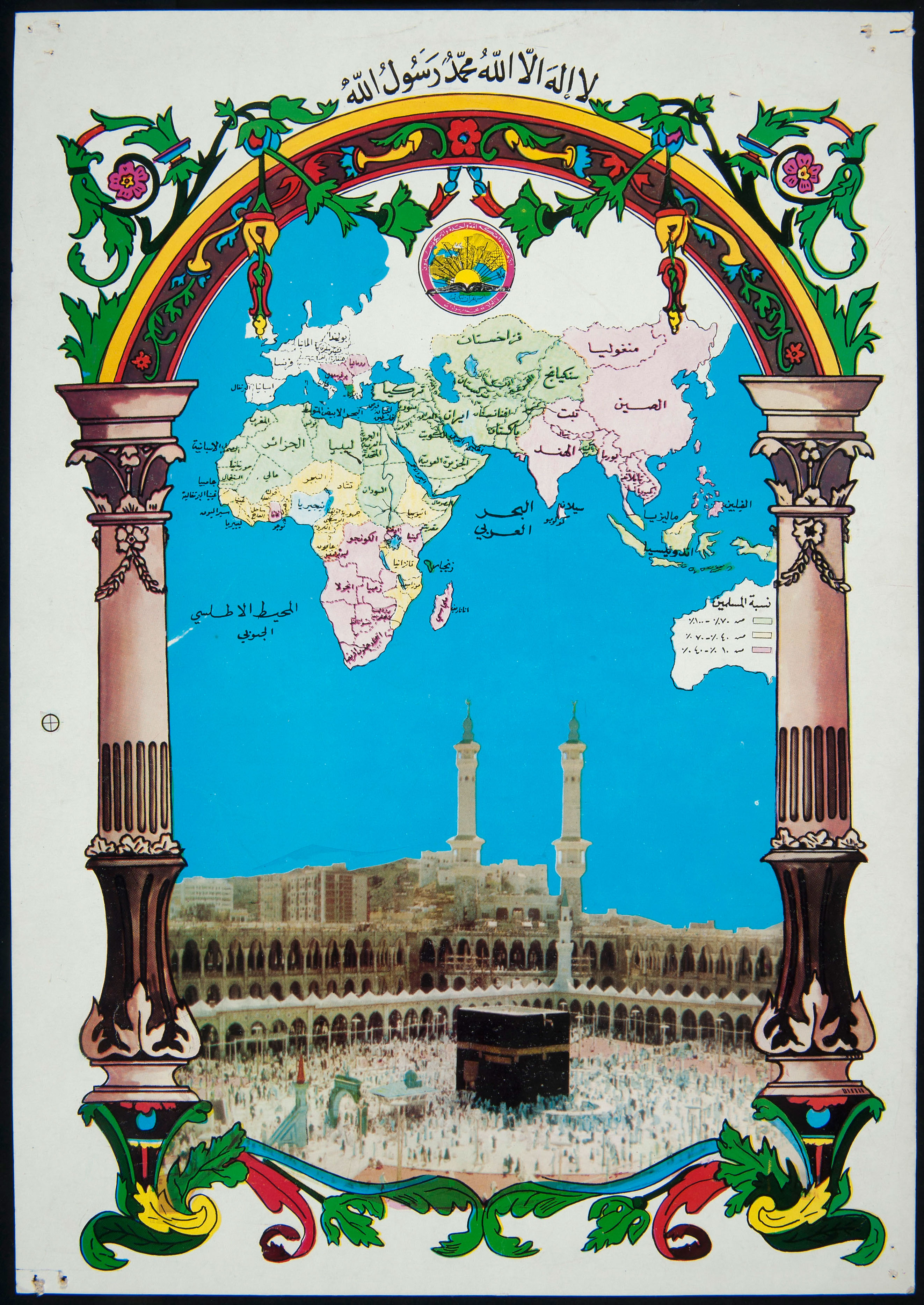
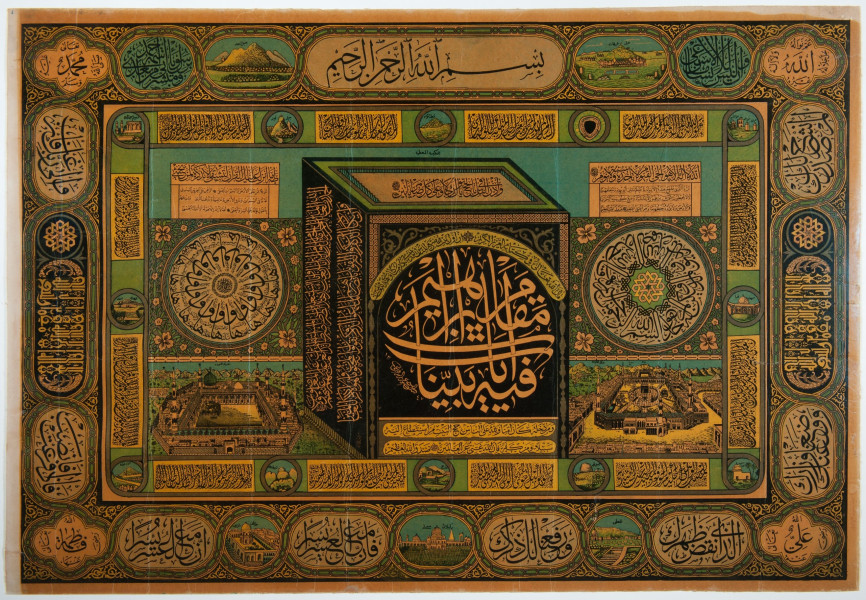
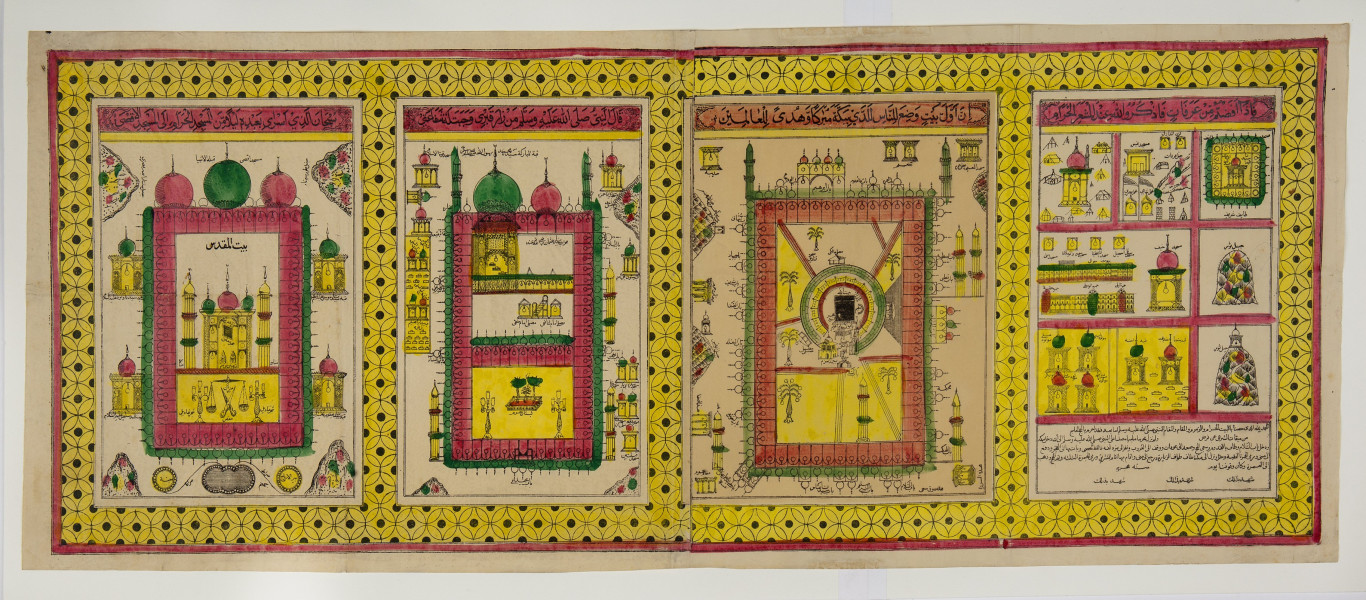
Print from Syria depicting the Kaaba in Mecca, c. 1980. The world map indicates the percentage of Muslims in each country: green represents 70–100%, yellow 40–70%, and pink 10–40%. (TM-4849-358)

What is the difference between Umrah and Hajj?

Pilgrims can only perform Hajj between the eighth and thirteenth days of Dhu al-Hijjah, the twelfth month of the Islamic calendar. At other times of the year, Muslims can undertake Umrah, the minor pilgrimage to Mecca.

Umrah (Arabic: العمرة, al-umrah) takes place in Mecca and consists of several rituals performed in and around the Grand Mosque. Pilgrims perform the circumambulation of the Kaaba (tawaf), walk between the hills of Safa and Marwa (sa'i), pray at Maqam Ibrahim, the station of Abraham, and drink water from the Zamzam Well. These rituals together take several hours to complete.

Hajj (Arabic: الحج, al-hajj) begins with the same rituals as Umrah but continues in the following days with visits to the holy sites of Arafat, Muzdalifah, and Mina. Hajj concludes with Eid al-Adha, the Festival of Sacrifice, which is celebrated by Muslims around the world.

The rituals of Hajj

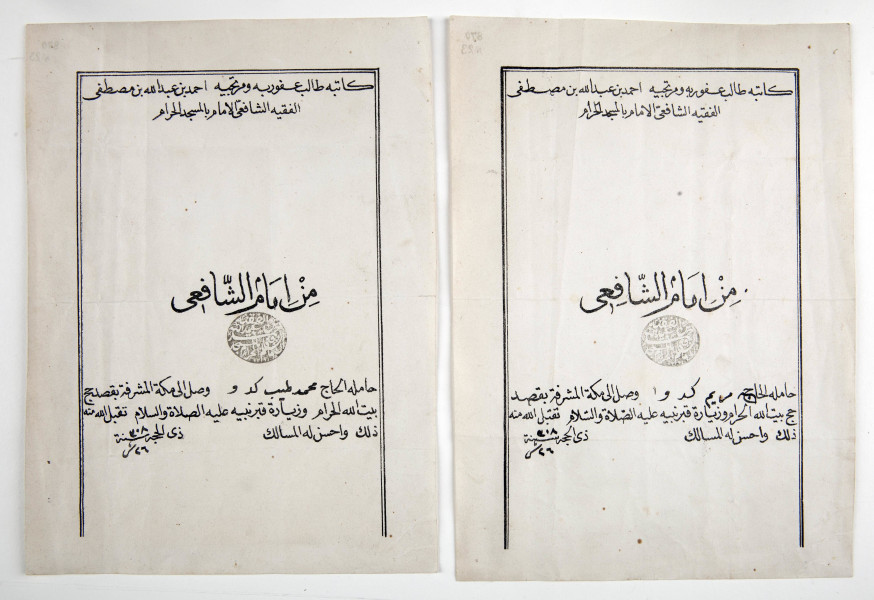
After a long period of preparation, both pilgrimages begin at places known as miqat. Pilgrims may only pass these points while wearing ihram clothing. At the miqat, they declare their intention to undertake the pilgrimage through the talbiyah prayer.

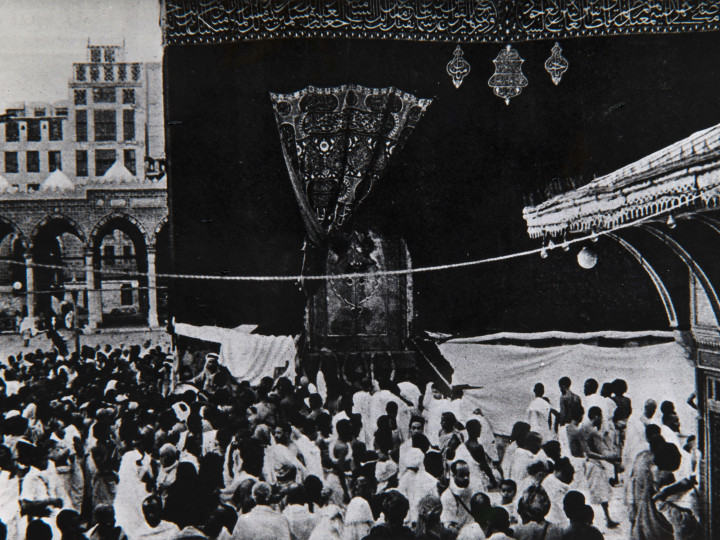
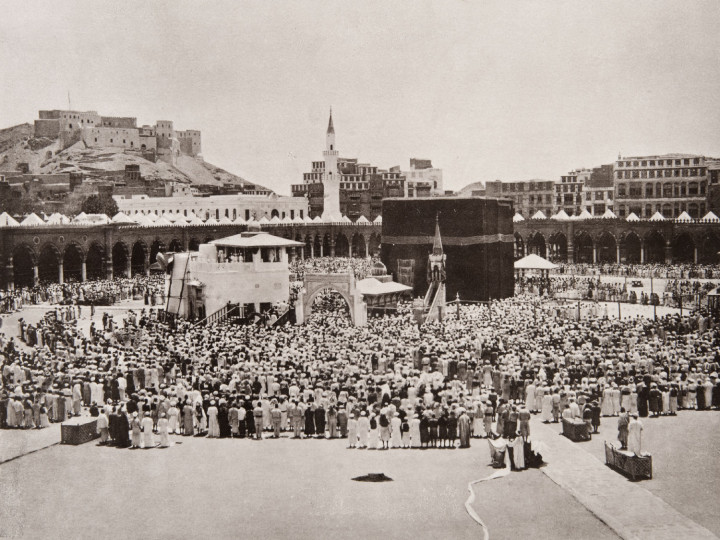
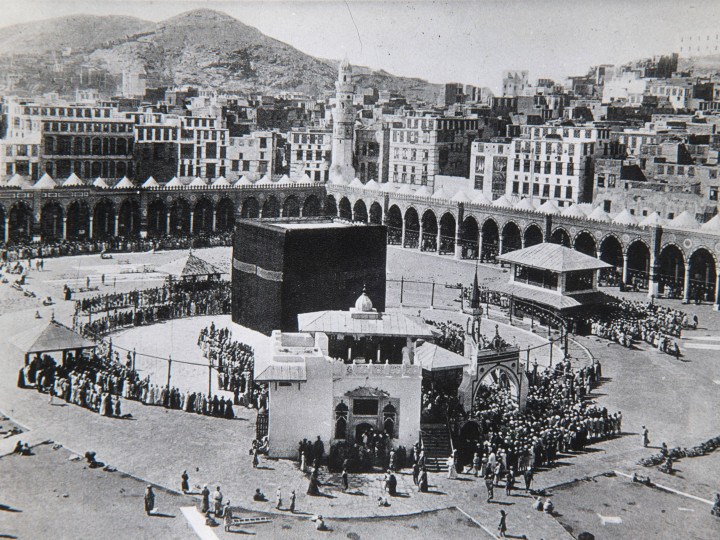
The tawaf is the most widely recognised ritual of both Hajj and Umrah. During this ritual, thousands of pilgrims walk in worship around the Kaaba in the Grand Mosque seven times, following the example of the Prophet Muhammad. Pilgrims circle the sanctuary counterclockwise, beginning at the Black Stone. When possible, the stone is kissed. The first three circuits are performed at a faster pace along the outer part of the area, while the final four circuits are completed closer to the Kaaba at a slower pace.

The harmonious movement of countless pilgrims unites believers in their worship of God. During the circumambulation, a prayer is repeated. Pilgrims perform tawaf at least twice during Hajj or Umrah. In this way, pilgrimage connects believers from around the world through rituals that express deep spiritual devotion and dedication to Allah.

Mecca, the city of Abraham and Muhammad

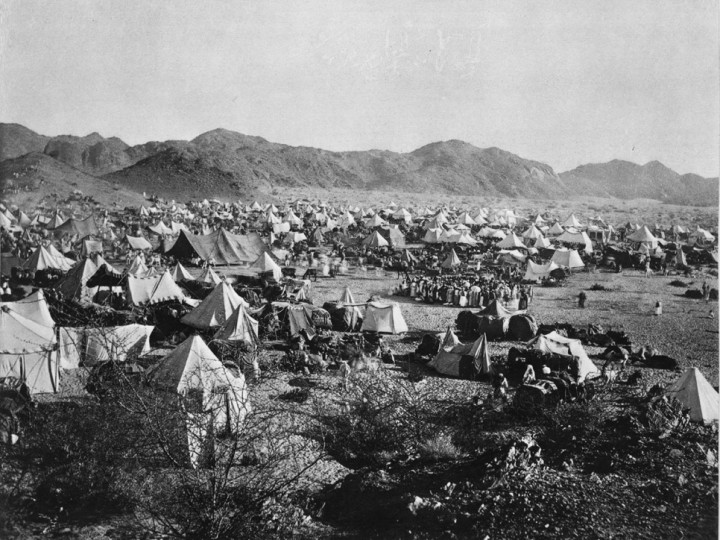
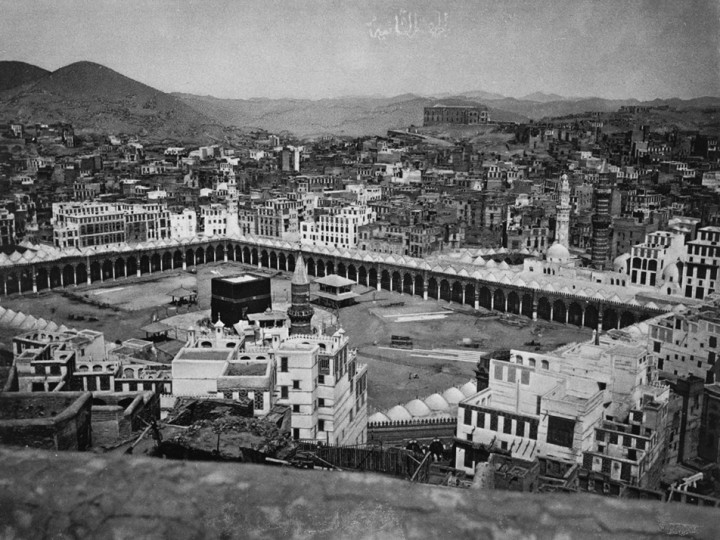
Mecca is known in Arabic as Makka al-Mukarrama, meaning “The Blessed Mecca”, and is located in present-day Saudi Arabia. The Prophet Muhammad was born in Mecca in 570 CE. From 610 onwards, he received the first revelations there, which would become the Qur’an, the holy book of Islam. He performed Hajj once, in 632 CE, the year of his death. On the slopes of Mount Arafat, he delivered his Farewell Sermon to the Muslim community.

At the heart of Mecca stands the cube-shaped sanctuary known as the Kaaba, the House of God, located within the Grand Mosque. Muslims believe that Adam, the first prophet, built the Kaaba and that it was later rebuilt by the Prophet Abraham (Ibrahim) and his son Ishmael (Isma’il). When the building was completed, they circumambulated it seven times.

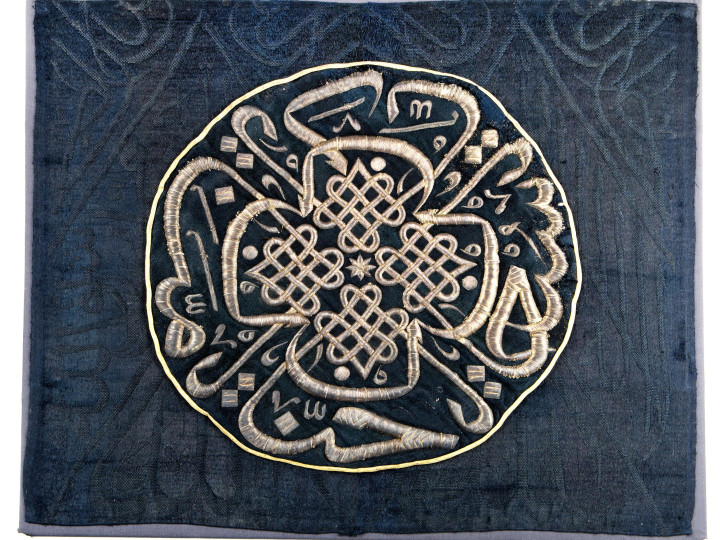
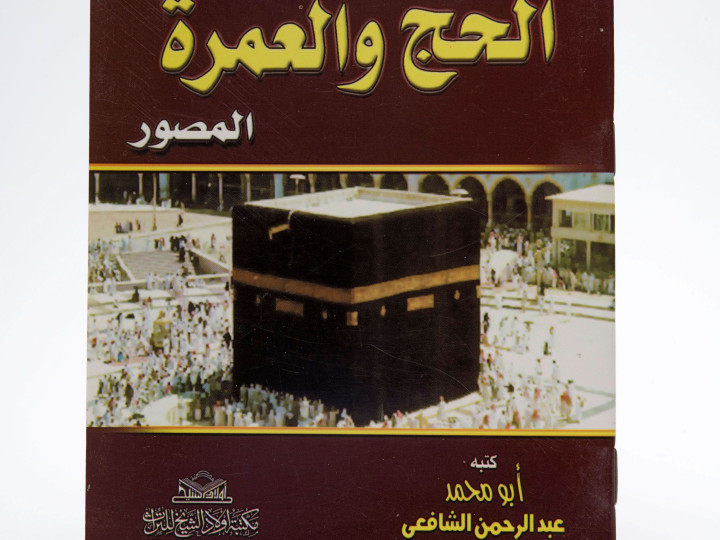
The Kaaba is a stone cube approximately fifteen metres high, with an entrance door located more than two metres above ground level. Only a select number of people are permitted to enter it. The interior is partly covered with silk textiles embroidered with Qur’anic inscriptions. The exterior is entirely covered with a black kiswa, a large cloth made of silk and gold thread, decorated with hand-drawn calligraphic Qur’anic verses. The kiswa is renewed every year on the ninth day of the month of Dhu al-Hijjah.

In the eastern corner of the Kaaba is the Black Stone, which is believed by some to be a meteorite. According to tradition, this stone came from paradise and was once “whiter than milk”. It was turned black by the sins of the descendants of Adam.

Medina – the radiant city

Al-Madinah al-Munawwarah is the Arabic name for Medina, meaning “the Radiant City”. In 622 CE, during the first year of the Islamic calendar, the Prophet Muhammad migrated to Medina, where he built the first mosque. For Muslims, it is the second holiest site in Islam.

Medina is not officially part of Hajj, but most pilgrims visit the city before or after their journey to Mecca. The Prophet’s Mosque in Medina contains the tomb of the Prophet Muhammad, as well as the graves of his companions and successors.

Water with healing blessings

To the east of the Kaaba lies the sacred Zamzam Well. The name Zamzam refers to an abundant flow of water and a well that never runs dry. The well is associated with the water that the angel Gabriel caused to spring forth for Hajar, who was desperately searching for water for herself and her thirsty son Isma’il. During the month of fasting, pilgrims break their fast at sunset by drinking this blessed water.

Pilgrimage routes from around the world

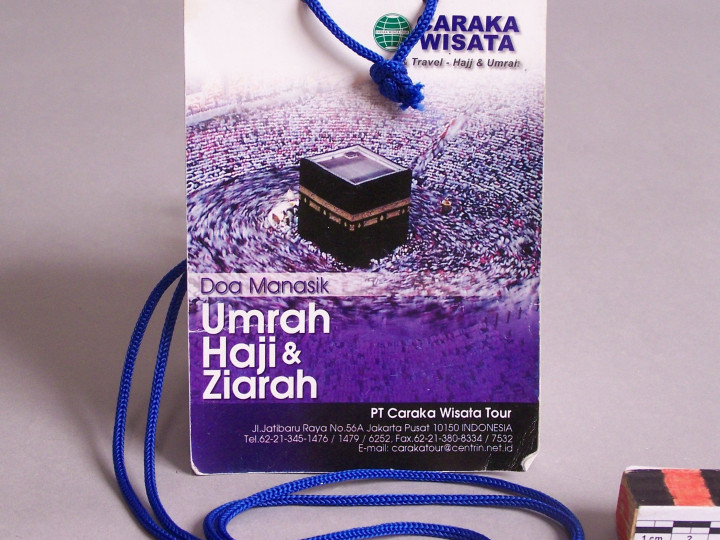
Pilgrims travel to Mecca from the farthest corners of the world to undertake this spiritual journey, usually by plane, train, or bus, although some pilgrims also travel by bicycle. Many travel as part of an organised group. Women under the age of 45 who do not travel as part of a group pilgrimage are required to be accompanied by a close male relative, such as a husband, father, or brother.

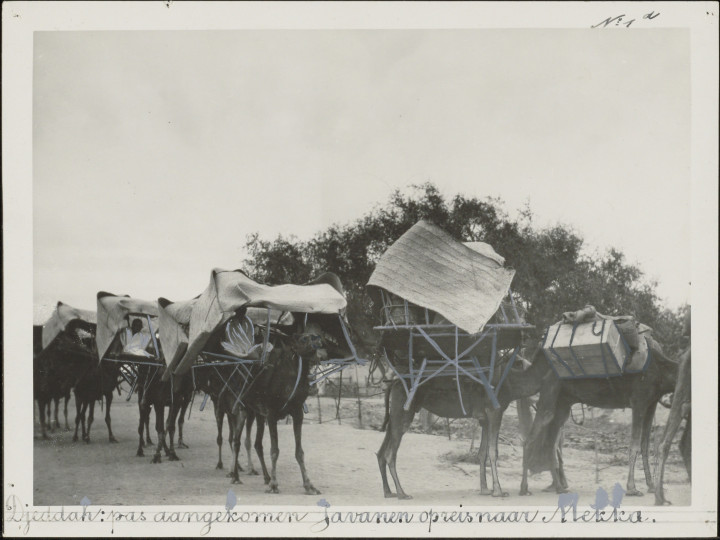
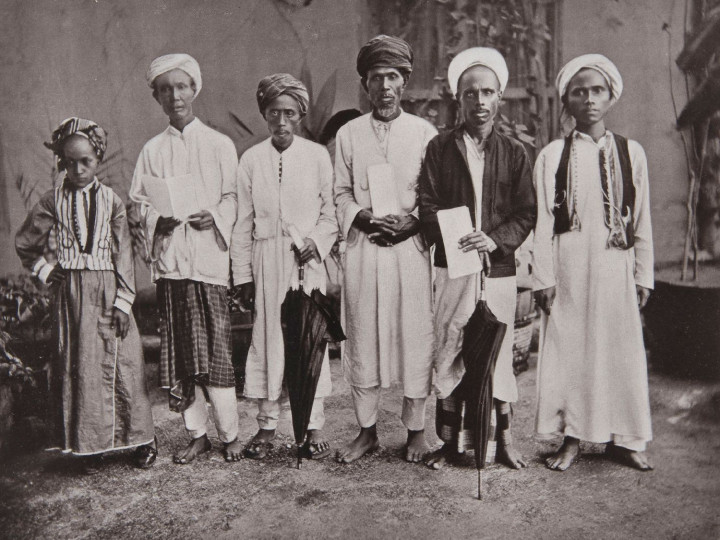
In the past, pilgrims often travelled in caravans. Those journeying over land, by camel or on foot, gathered at three main meeting points: Kufa in Iraq, Damascus in Syria, and Cairo in Egypt. Pilgrims travelling by sea, including Muslims from Indonesia, arrived at the port of Jeddah. The long and sometimes dangerous journey tested both the physical and spiritual endurance of the pilgrim.

Saudi Arabia determines the number of Hajj visas issued to each country. As a result, some countries have waiting lists that can last for several years.

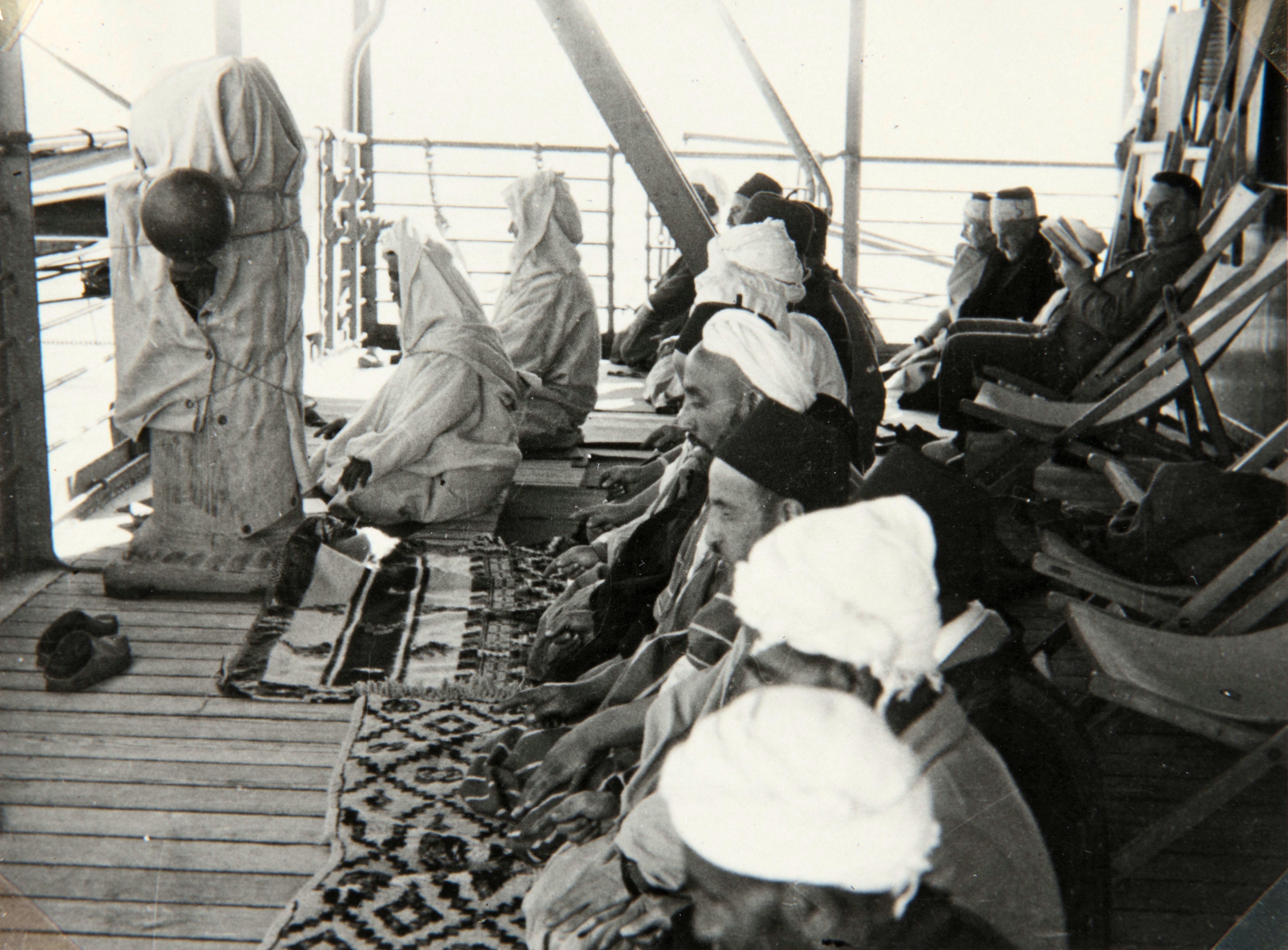
Pilgrims praying aboard a ship of the Khedivial Mail Line en route from Suez to Jeddah, c. 1930. Photographer presumably Prof. Dr C. Carl Rathjens. (TM-60063074)

Preparing for Hajj

Hajj requires several preparations. Before departure, pilgrims ask forgiveness from the people around them, so that during Hajj they need only seek forgiveness from God. Any outstanding debts are settled.

Pilgrims also prepare by purchasing supplies for the journey and learning more about their stay and the rituals in and around Mecca. Hajj is often a turning point in a person’s life, a moment of spiritual awakening.

Pilgrims may only enter the sacred area of Mecca while in a consecrated state known as ihram. They enter this state by purifying both body and mind and by wearing ritual clothing. For men, ihram clothing consists of two unstitched white cotton garments, called izar and rida. Women may wear their usual clothing, as long as it is modest.

The simple garments of ihram symbolise equality and humility—the essence of Hajj and Umrah. Pilgrims also declare their intention to undertake the pilgrimage: through the talbiyah prayer, they inform God that they have arrived to perform the pilgrimage.

Once pilgrims have entered the state of ihram, they must observe certain restrictions. These include not hunting, fighting, using offensive language, or engaging in sexual relations. No living creature may be harmed.

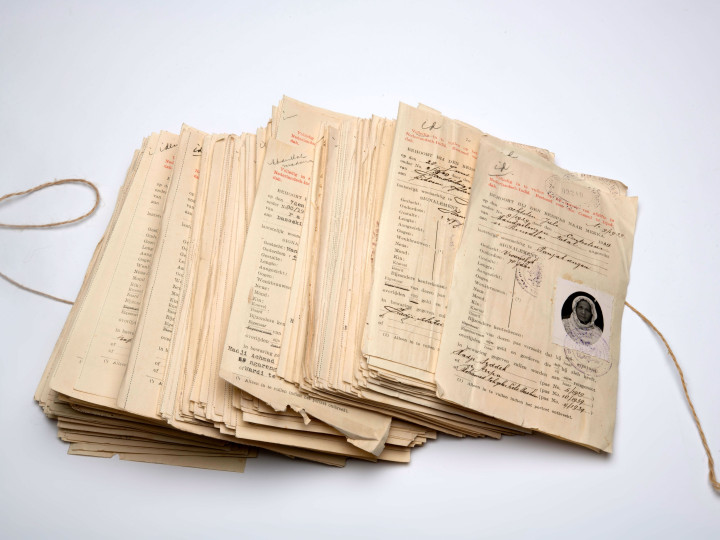
When the decision has been made to undertake Hajj, several arrangements must be made. One of these is obtaining a Hajj visa for Saudi Arabia. Each year, the kingdom determines how many visas are issued to each country, which leads to waiting lists of several years in some countries. Approximately three million Muslims take part in Hajj each year, travelling from around 160 different countries.

Returning home from Hajj

Hajj is often a turning point in a person’s life, a moment of spiritual awakening. Many pilgrims return home with a firm intention to follow the teachings and principles of Islam more faithfully. After completing the pilgrimage, men may be given the title Hajji, and women the title Hajja. These are honorific titles. Some heads of state include this title among their official titles.

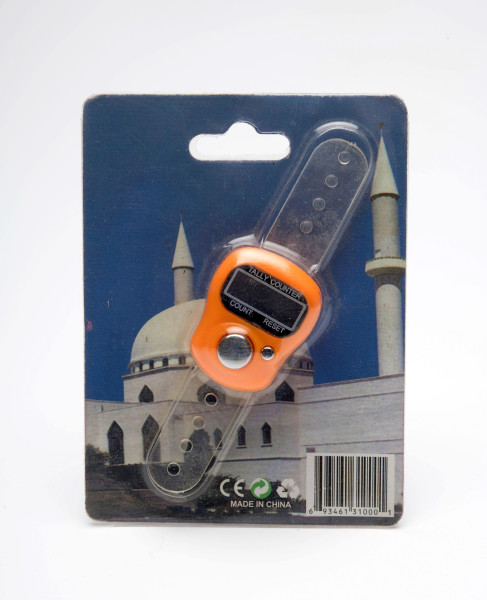
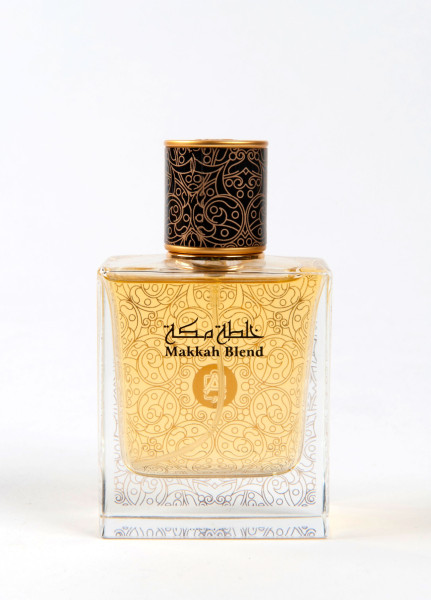
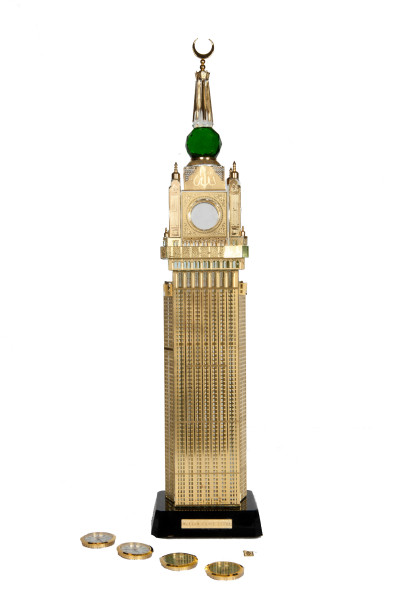
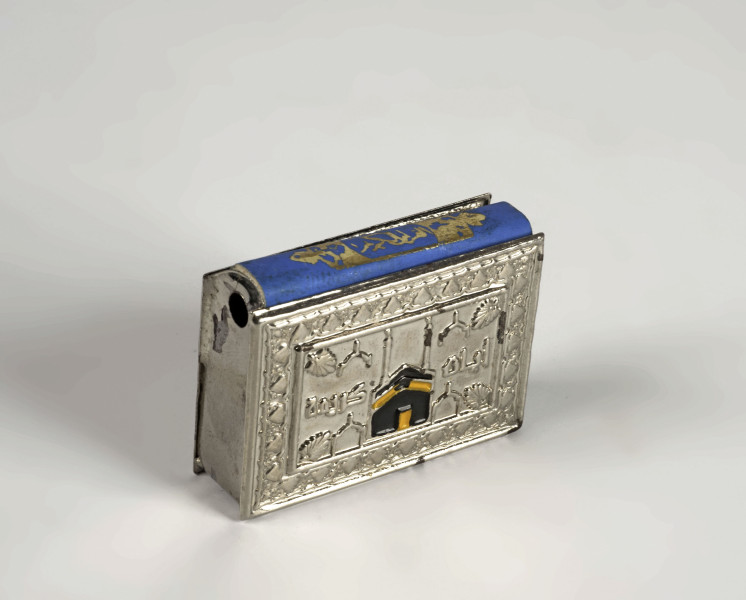
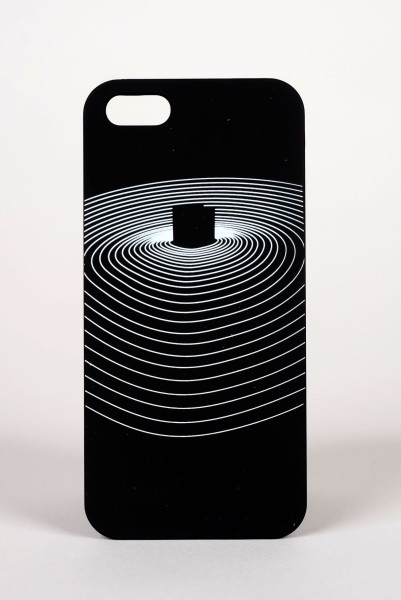
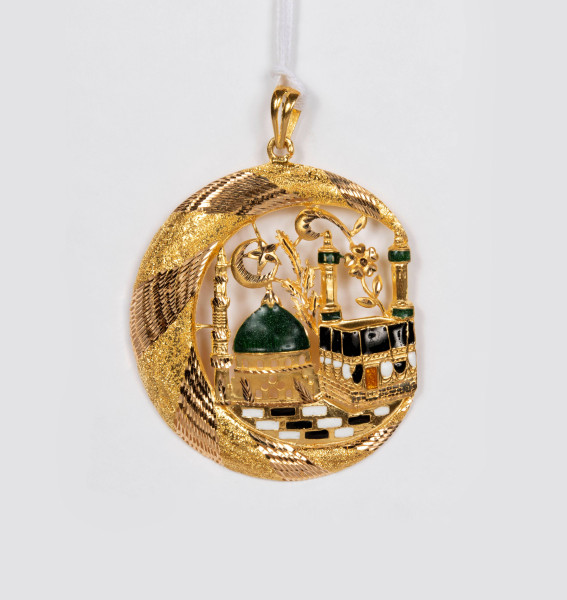
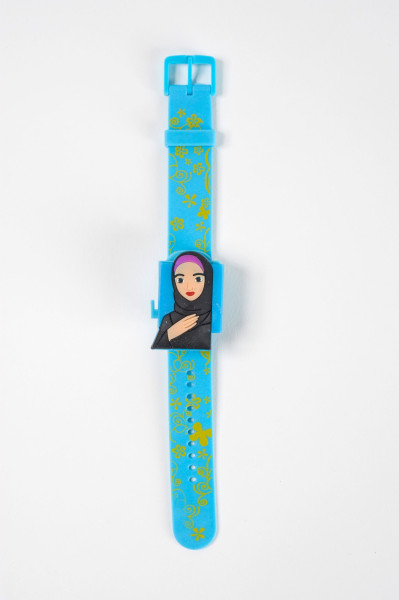
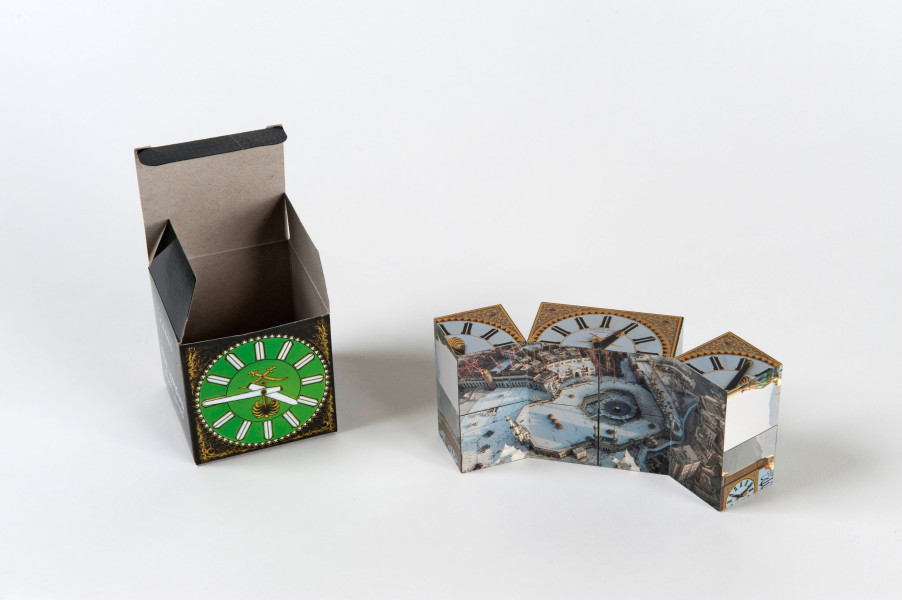
In Mecca and Medina, pilgrims buy practical items for their return journey as well as luxury goods as souvenirs and gifts for family and friends. For pilgrims, the origin of a prayer rug or digital device is often less important than the fact that the item was purchased in Mecca or Medina and has therefore been in contact with the holy cities.

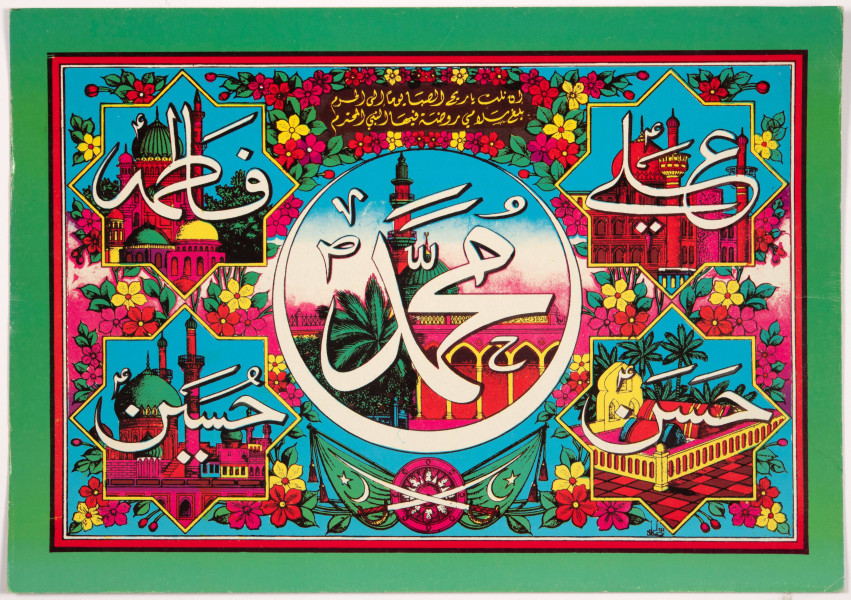
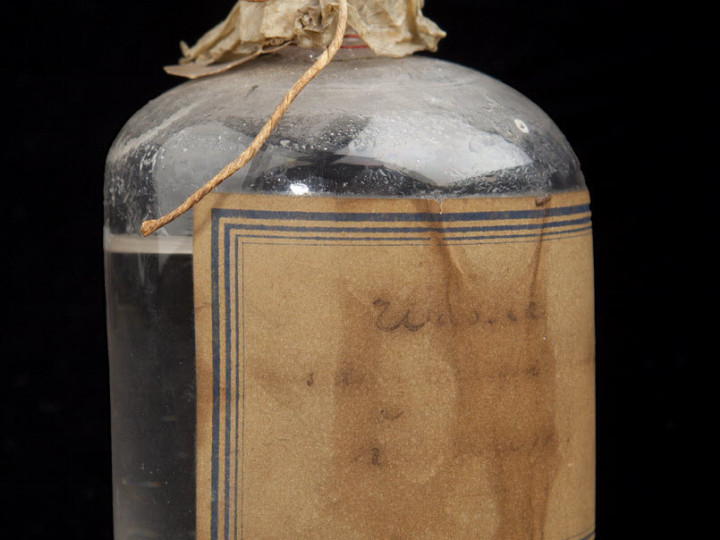
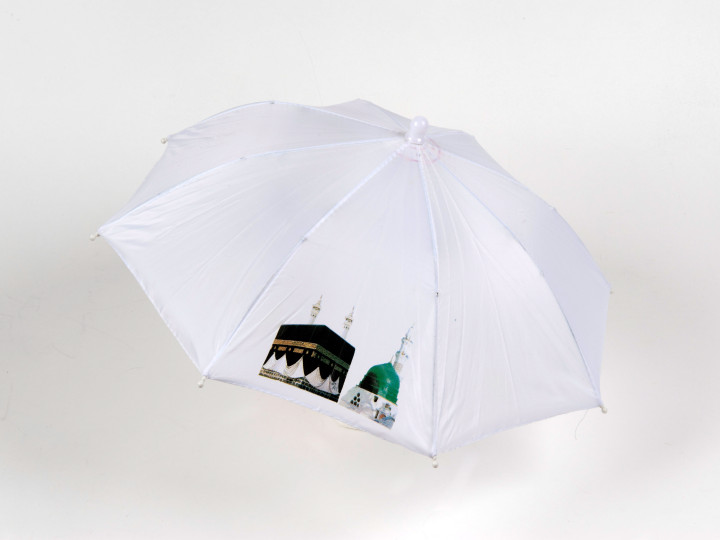
Family and friends often ask pilgrims to bring back something so they too may receive blessings, such as a bottle of water from the sacred Zamzam Well. Other items brought home include caps, prayer beads, handkerchiefs, and images of holy places, as well as the famous sweet dates from Medina. These objects are given a respected place in the home.

Ihram garments sprinkled with Zamzam water are sometimes preserved to be used as a burial shroud after the wearer’s death. Souvenirs from Mecca are often among the most treasured possessions of a Muslim.

When pilgrims return home, it is a time of great celebration. Family, friends, and others congratulate them with the words: “Hajj mabroor”, “May the pilgrimage be accepted by God.”

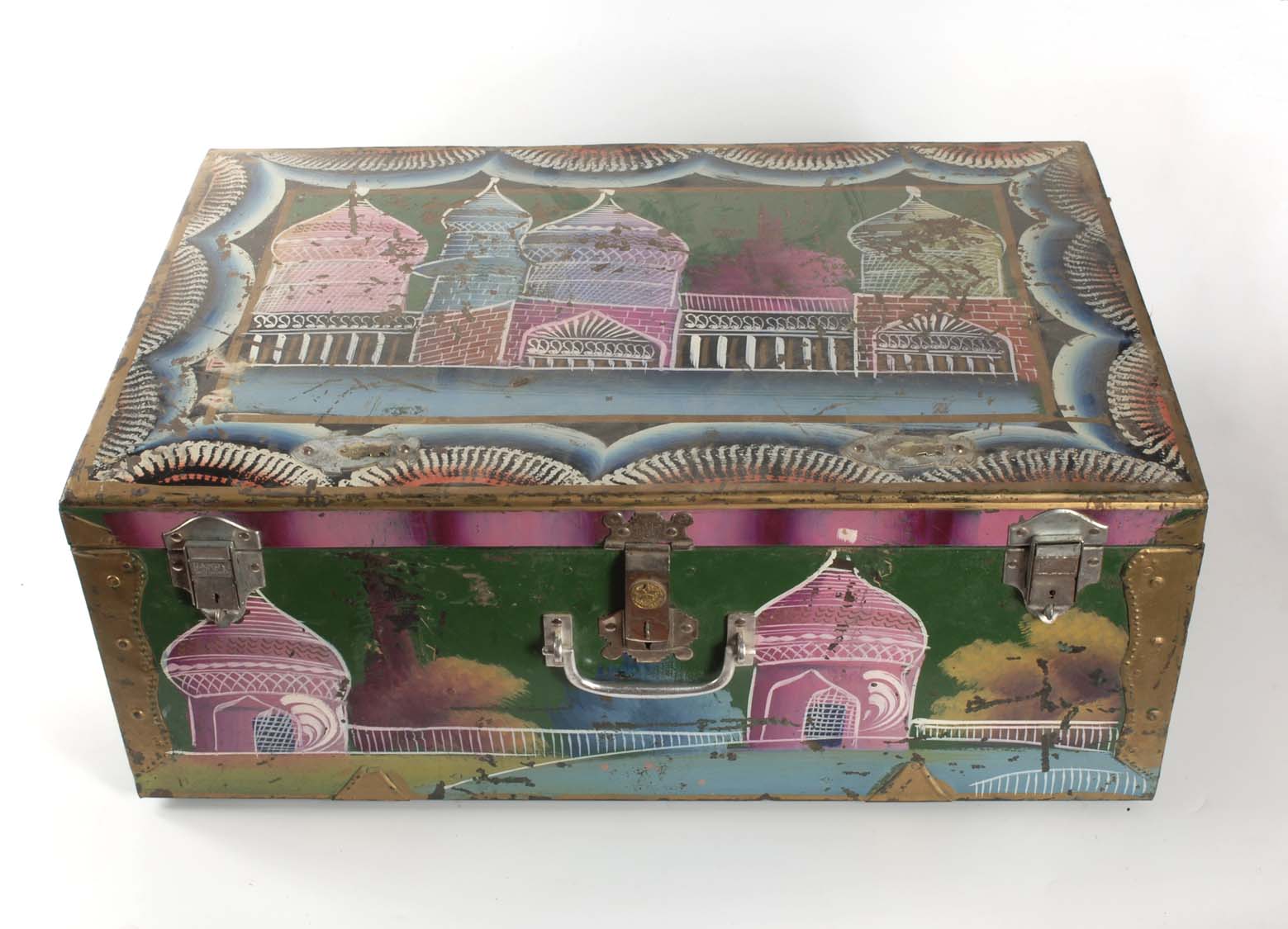
Tin suitcase, before 1976. African pilgrims often brought back this type of suitcase as a souvenir. (TM-4313-75)