Lust for lustre short

During the Ilkhanid dynasty (13th and 14th centuries), iridescent tiles adorned mosques, shrines, and palaces in what was then Persia (now Iran). Behind their shimmering surface lies advanced technological knowledge. Recent research shows that these tiles were sometimes reused like puzzle pieces and that their motifs continue to inspire artists in Iran today.
Lustrous shimmer and sheen
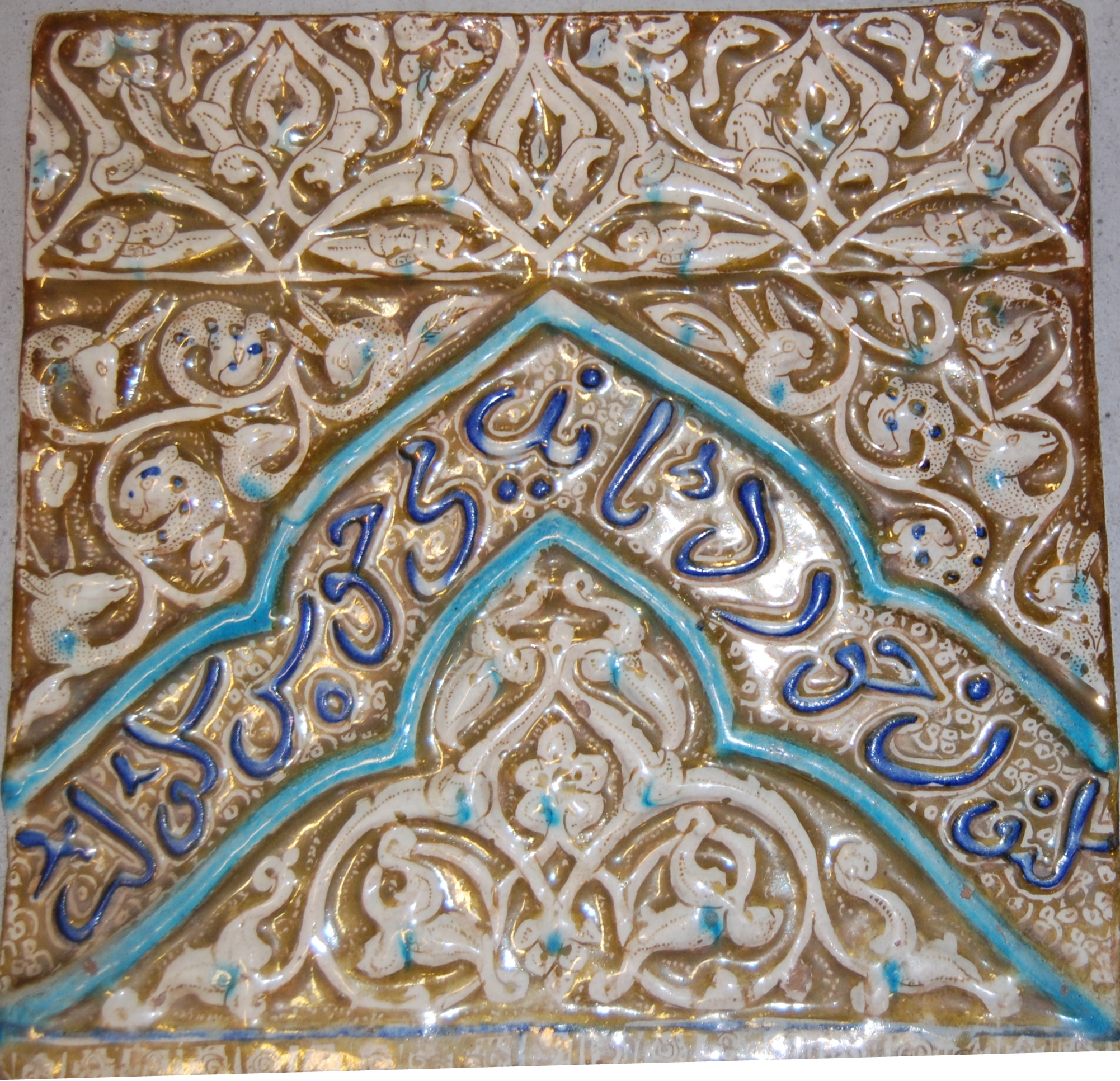
This tile (30 × 29 cm) is covered with luster, a glazing technique that gives ceramics an iridescent sheen. Luster tiles were mainly used to decorate mosques and shrines. From the 19th century onwards, European collectors also became fascinated by these shimmering tiles.

Ilkhanid motifs inspired artists such as M.C. Escher and the Arts and Crafts movement. Interest in these tiles continued for a long time: the museum acquired this tile only in 1975, when it was sold as an example from Kashan, the famous production center of luster ceramics.
Restoration or collage?
In the 19th century, museums worldwide collected luster tiles with nearly identical designs; more than 160 are now known. Their origin remained unclear for a long time, until archaeologists discovered similar fragments and molds in Takht-i Sulaiman (“Throne of Solomon”) in Iranian Azerbaijan. Since then, this type of tile has often been linked to this archaeological site.
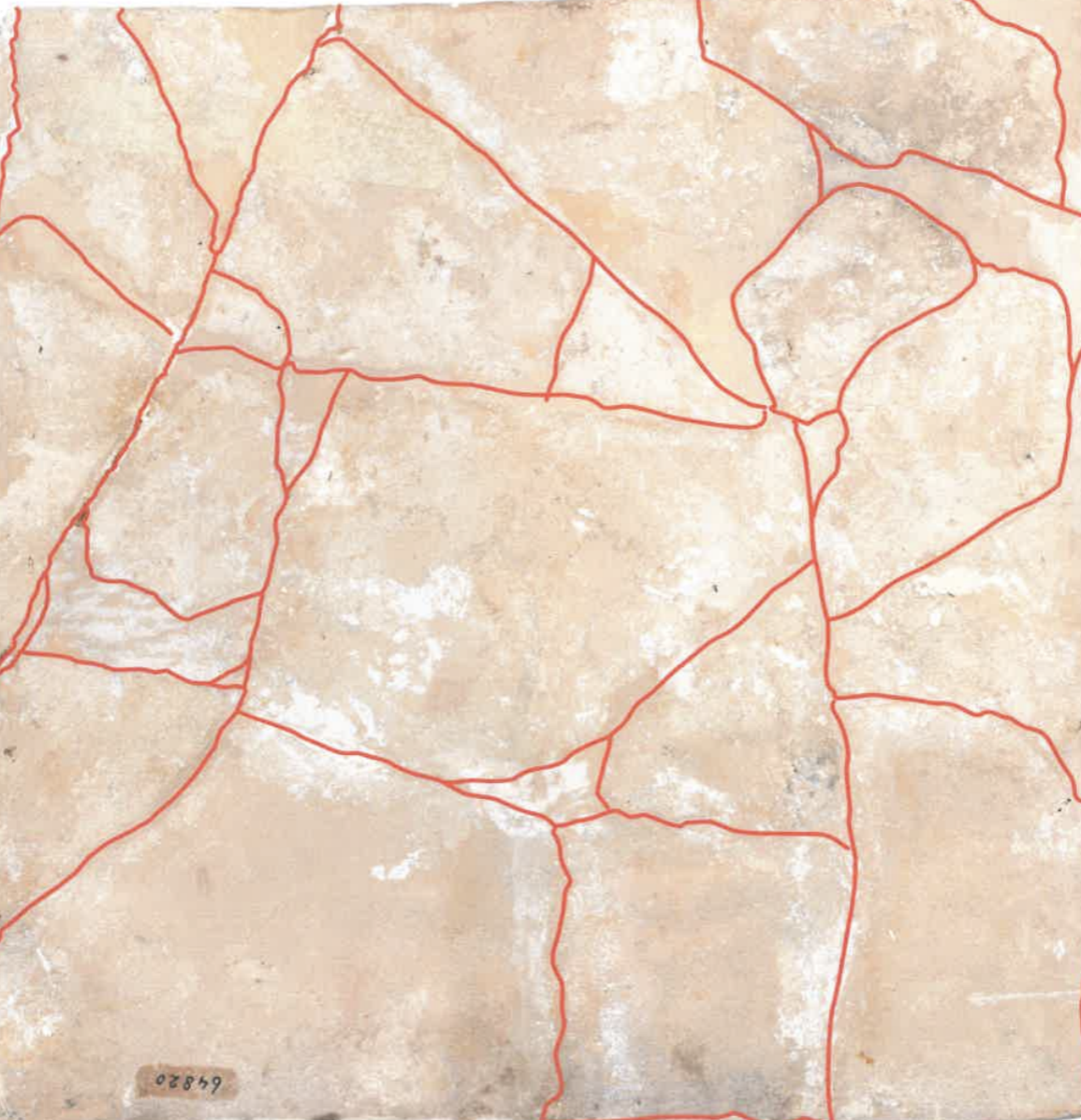
However, this tile was heavily restored before it was sold to the museum. Several cracks are visible on the back, and on the front some parts appear to have been added later. The tile may even be composed of several fragments.
The Book of Kings
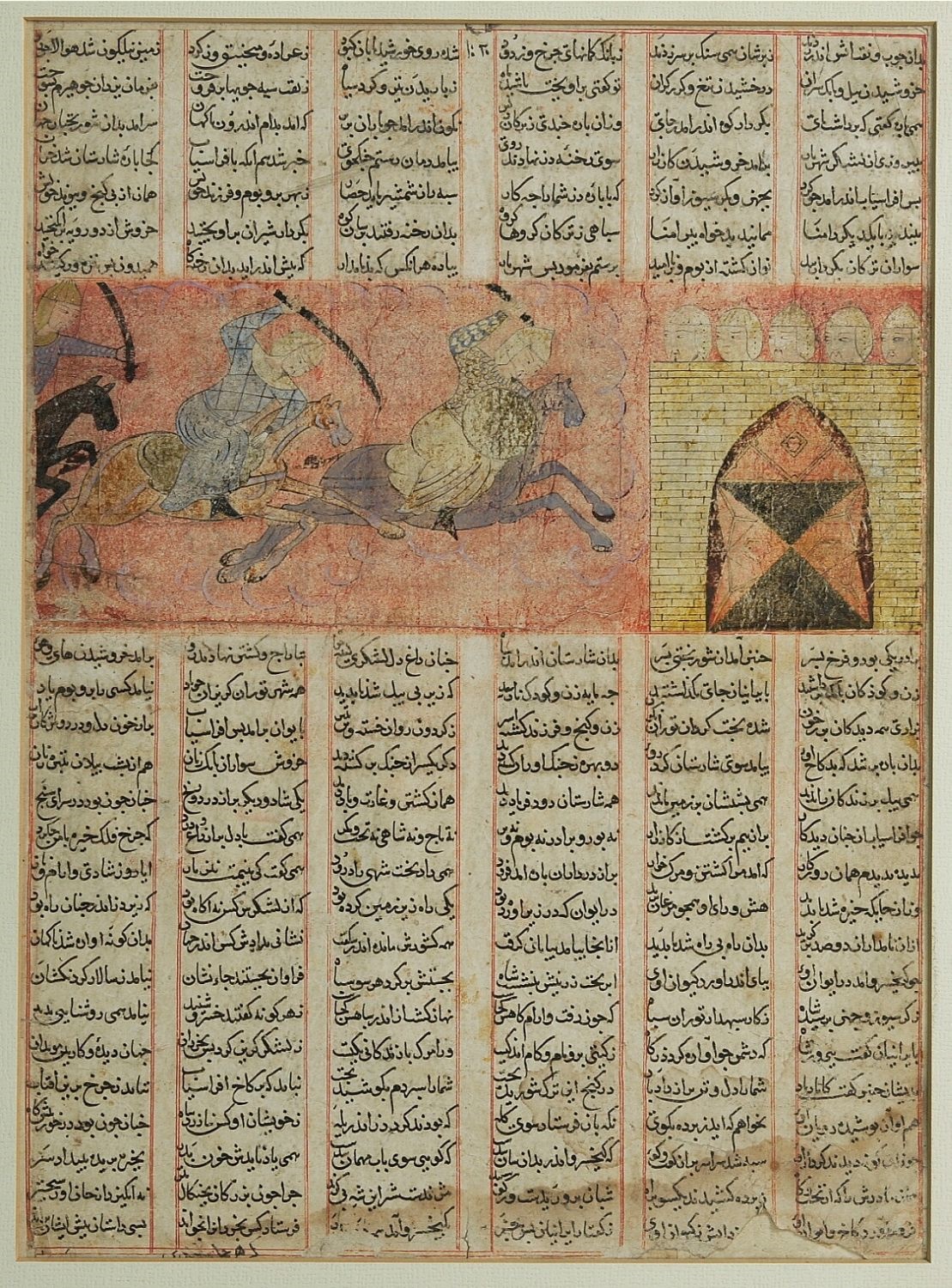
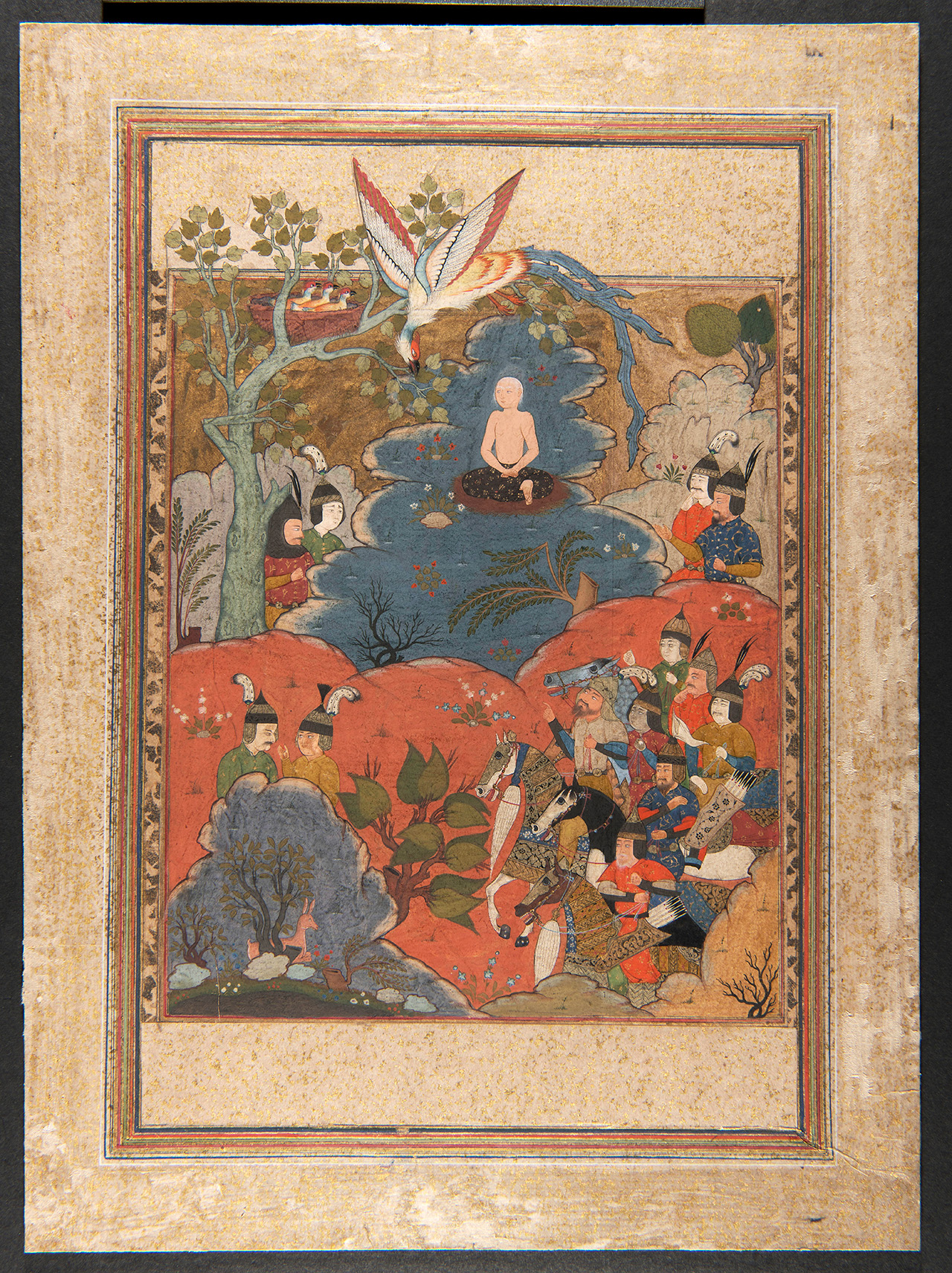
Many luster tiles from the Ilkhanid period bear a half-verse from the Shahnameh (Book of Kings), the famous Persian epic by the poet Ferdowsi (c. 934–1025). This long poem about the mythical and historical kings of Persia remained an important source of inspiration for centuries.
Traveling Tiles
Luster tiles did not always remain in the places where they were originally installed. They could be removed from walls and reused in other buildings. Ilkhanid luster tiles have, for example, been found in the 14th-century church of Eghvard in Armenia.
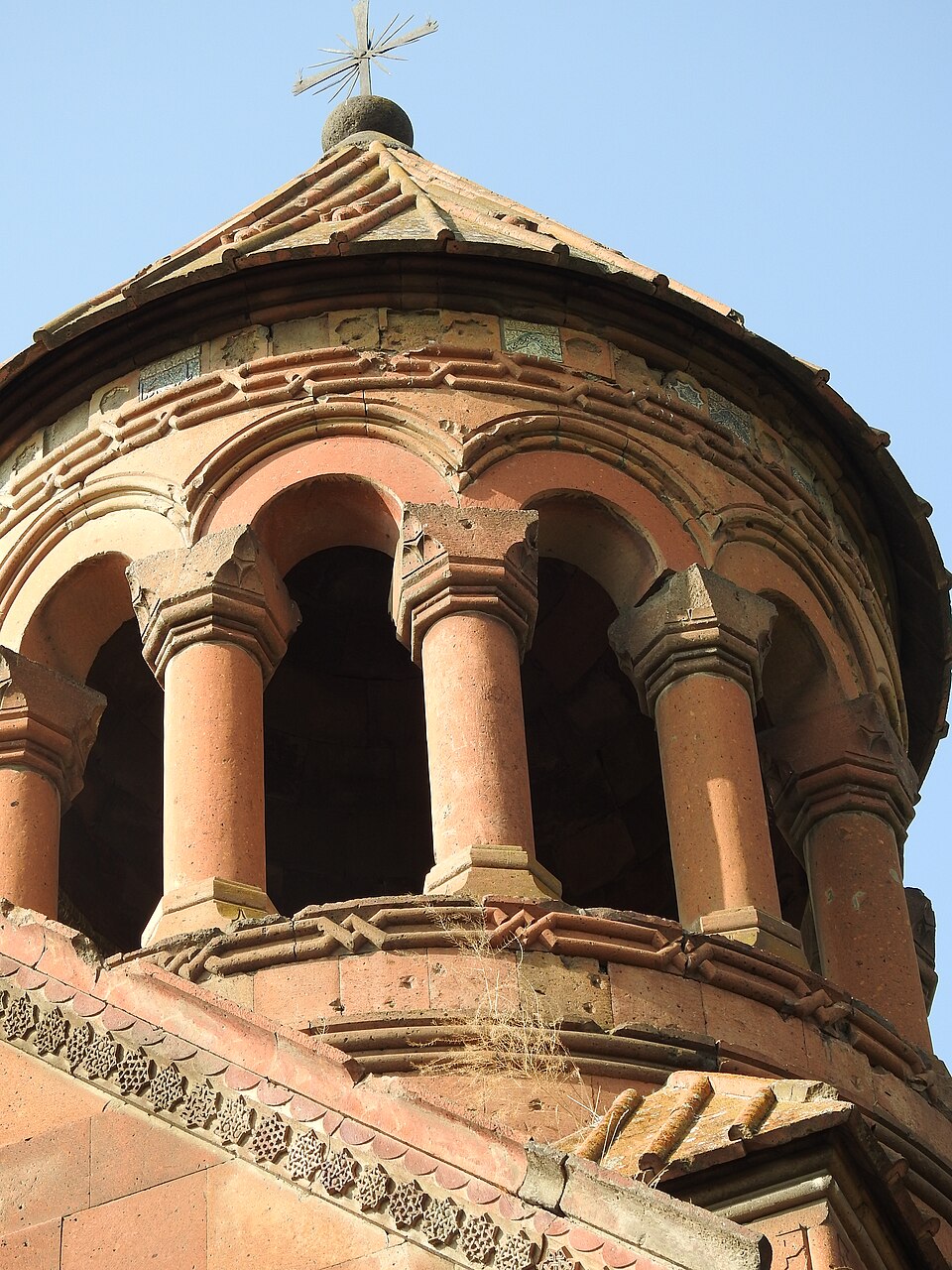
In the 19th century, many of these tiles entered European museums through trade and collectors. Due to reuse, restorations, and collecting practices, the original provenance of individual tiles is often difficult to trace today. Each tile thus forms a small puzzle piece in a larger historical story.