The Dark Gold

The origins of chocolate can be traced back to ancient cultures such as the Aztecs and the Maya. They made a type of chocolate drink to which they attributed divine and mystical properties. However, the story of how this “dark gold” spread across the world in the centuries that followed is a bittersweet one.

In this Collection Story, you will learn where that history began, what role the Aztec civilization played in it, and the journey chocolate took before it reached the Netherlands.

The history of chocolate

The exact origins of chocolate are still not entirely clear to this day. Only recently, archaeologists discovered traces of cacao in a 5,500-year-old settlement in Ecuador. Before that discovery, it was long believed that chocolate originated in Central America, where the cacao tree was first cultivated around 1500 BC.

What is certain is that cacao already played an important role in several cultures during that time.
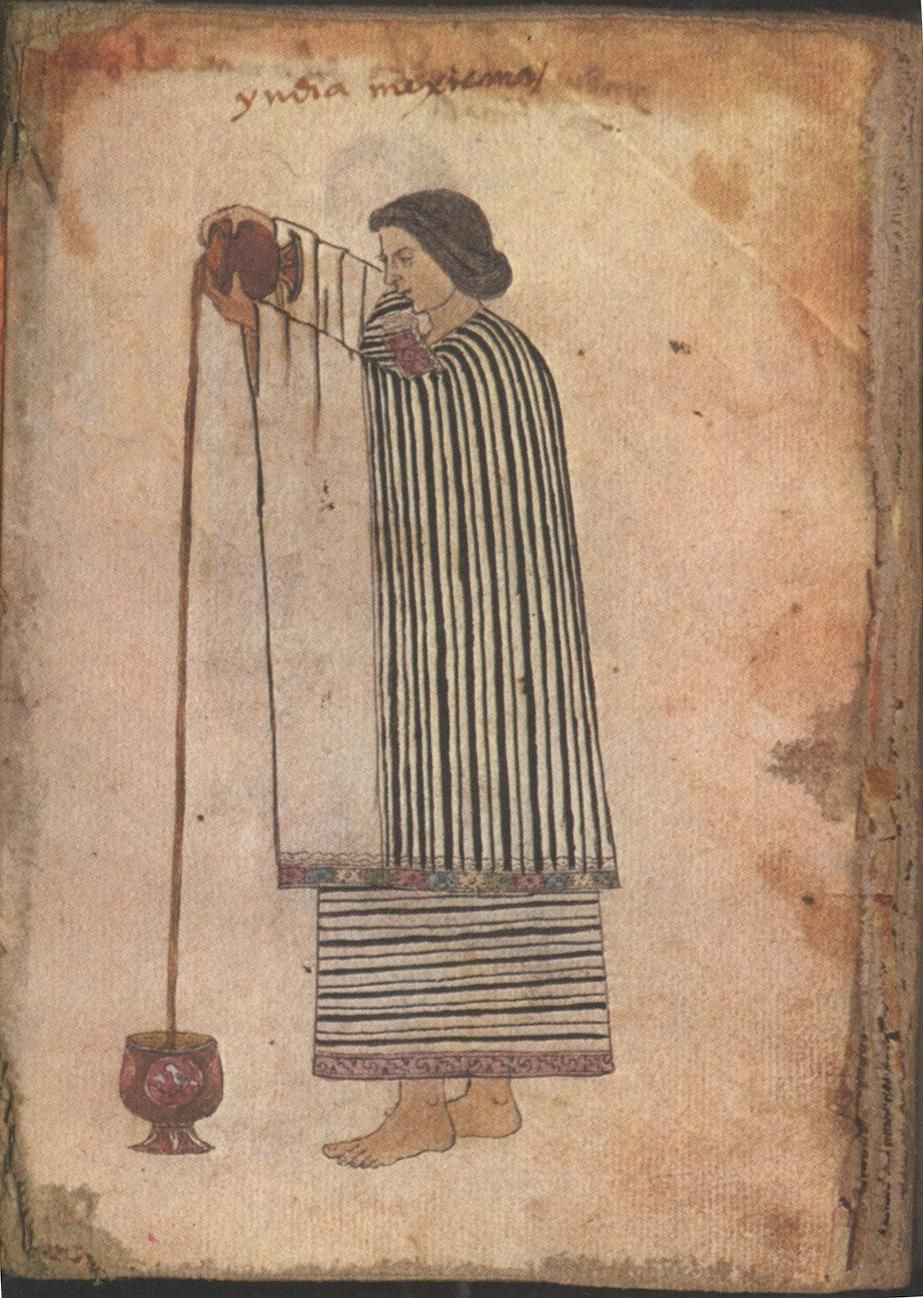
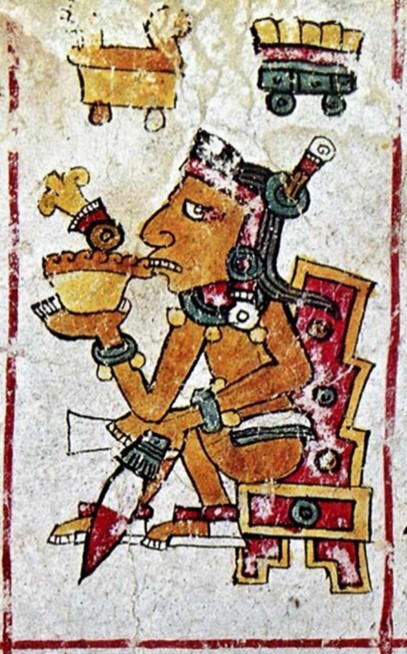
The Aztecs associated cacao with Xochiquetzal, the goddess of fertility. They drank a cacao beverage called xocoatl, which had a bitter taste and was often flavored with vanilla, chili peppers, and allspice. The drink was believed to combat fatigue because of the caffeine, one of the components of cacao.

Cacao beans also had an economic function. The Aztecs could not grow cacao themselves because of the climate in which they lived, but they traded for it and even used cacao beans as a form of currency. As a result, cacao trade spread more and more widely. This changed when the Europeans arrived and took control of cacao cultivation, after which it was exported throughout the world.

Aztec women
An Aztec woman creates foam by pouring chocolate from one vessel into another, from the Codex Tudela.

Bittersweet

Today, chocolate is consumed in many different forms by the vast majority of the South American population, just as it is in countries around the world. In some villages, the chocolate drink is still prepared in the traditional way and traded within the region.

The Aztec Empire, which came to an abrupt end exactly 500 years ago in 1521, was the largest empire Central America had ever seen. In this region, which included parts of Mexico, Guatemala, Honduras, Belize, and El Salvador, countless cultures and empires flourished and disappeared between 1500 BC and AD 1500.

With the help of Indigenous allies and diseases brought from Europe, the Spaniard Hernán Cortés overthrew the powerful Aztec civilization in 1521.

Cacao consumed in a ritual manner, from the Codex Borgia.
Cacao being consumed in a ritual manner, from the Codex Borgia.

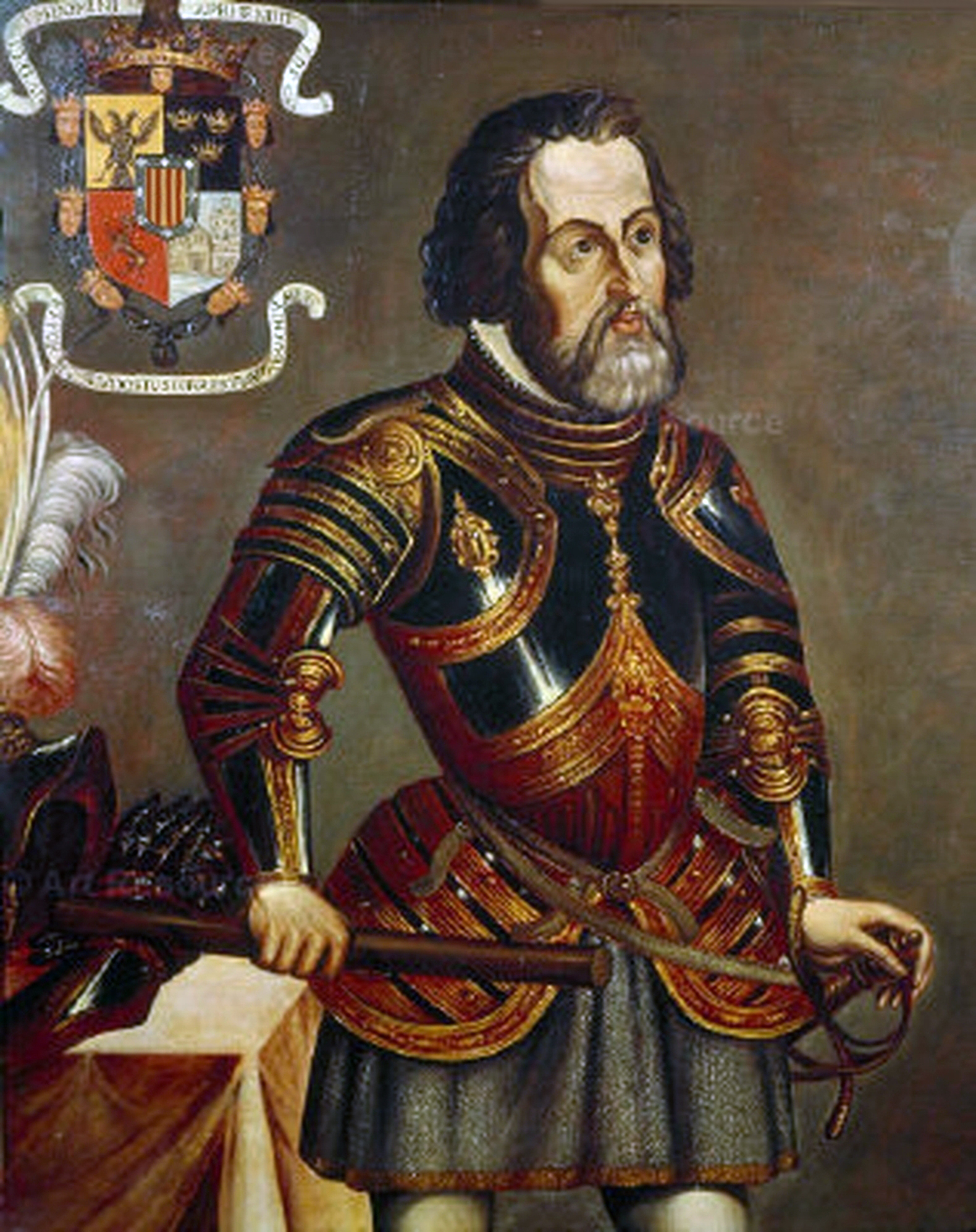
It was this Spanish conquistador who became the first European to encounter chocolate, at the court of the Aztec emperor Montezuma. In 1568, Bernal Díaz del Castillo, who accompanied Hernán Cortés during the conquest of Mexico, wrote about this encounter:

“From time to time, they served him (Montezuma) in cups of pure gold a certain drink made from cacao. It was said to give power over women, but I never saw this. What I did see was that they brought more than fifty large jugs of frothy cacao, and he drank some of it while the women served him with great reverence.”

Hernán Cortés, anonymous artist.

After the Spanish conquest of the Aztecs, chocolate was introduced to Europe as well. Because of its bitter taste, it was initially used only as a medicine. Once sugar cane and honey were added, it quickly became extremely popular. Within a hundred years, chocolate had become established throughout Europe, including in the Netherlands.

This Collection Story was written for the AZTECS exhibition at Wereldmuseum Leiden (formerly the Museum Volkenkunde). The exhibition has unfortunately ended, but information about it can still be found here.